LIMBUARA · A THESIS FOR A MEASURABLE SEA
The sea moves our economy. We see it a few times a year.
Limbuara is a thesis for making Malaysia's maritime infrastructure continuously measurable. Maritime is the first domain.
Read the manifestoTHE THESIS
Continuously measured maritime infrastructure. We start at sea, because Malaysia's most valuable infrastructure is the part nobody can see.

MANIFESTO
The Sea Should Not Be Invisible
Malaysia is a maritime country.
Our ports move enormous volumes of trade. Our offshore infrastructure stretches hundreds of kilometres into the sea. Pipelines, jetties, subsea cables, anchorages, channels and coastal assets quietly support the economy every day.
Yet much of our knowledge about those assets is episodic.
We send a vessel.
We send a crew.
We conduct a survey.
We produce a report.
Months later, conditions have changed and we do it again.
The technologies now exist to change this.
Small autonomous vessels, underwater robots, modern sonar, machine vision, satellite communications and increasingly capable software can make maritime infrastructure continuously observable.
The goal is not to eliminate mariners, hydrographers or engineers.
The goal is to give them better information, more often, while exposing fewer people to dangerous and repetitive work.
Malaysia should not merely import this future.
We should build part of it.
Our ambition is to make critical maritime infrastructure measurable continuously rather than occasionally.
Start with one port.
One berth.
One channel.
One pipeline.
Prove that autonomous monitoring can produce better information at lower total cost.
Then expand.
The sea should no longer be invisible.
That is the company we intend to build.
Harith, Founder
KLANG, MALAYSIA · 2026
DIRECTION, NOT PRODUCT
What we are building toward
These are lines of investigation, not things we sell. Nothing below is built, deployed or for sale today. Each one starts as a question we want to answer with people who run the assets.
DIRECTION 01
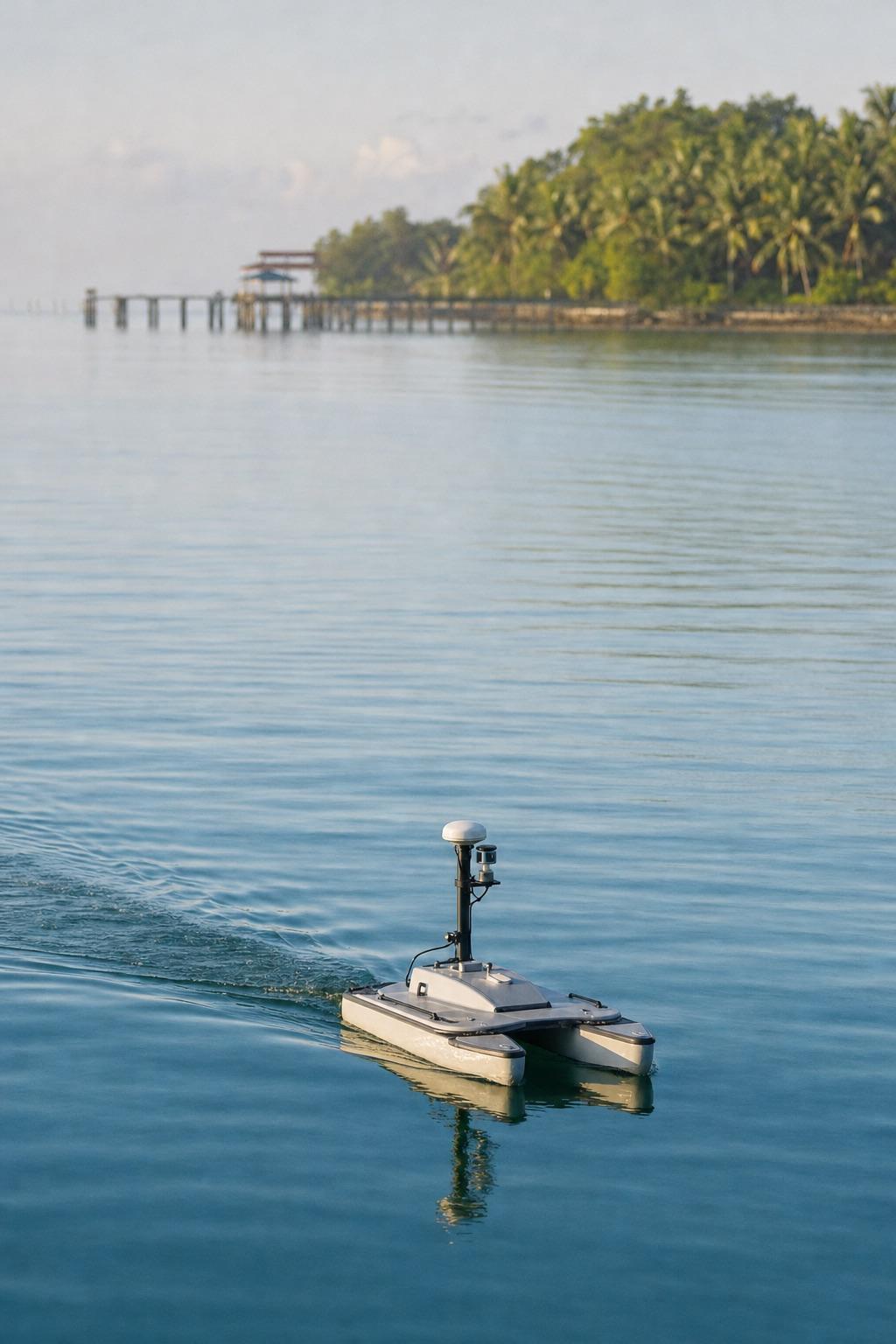
Repeat berth and channel change intelligence
What if a berth pocket or approach channel were surveyed every week instead of every season, and the only thing reported was what changed?
DIRECTION 02
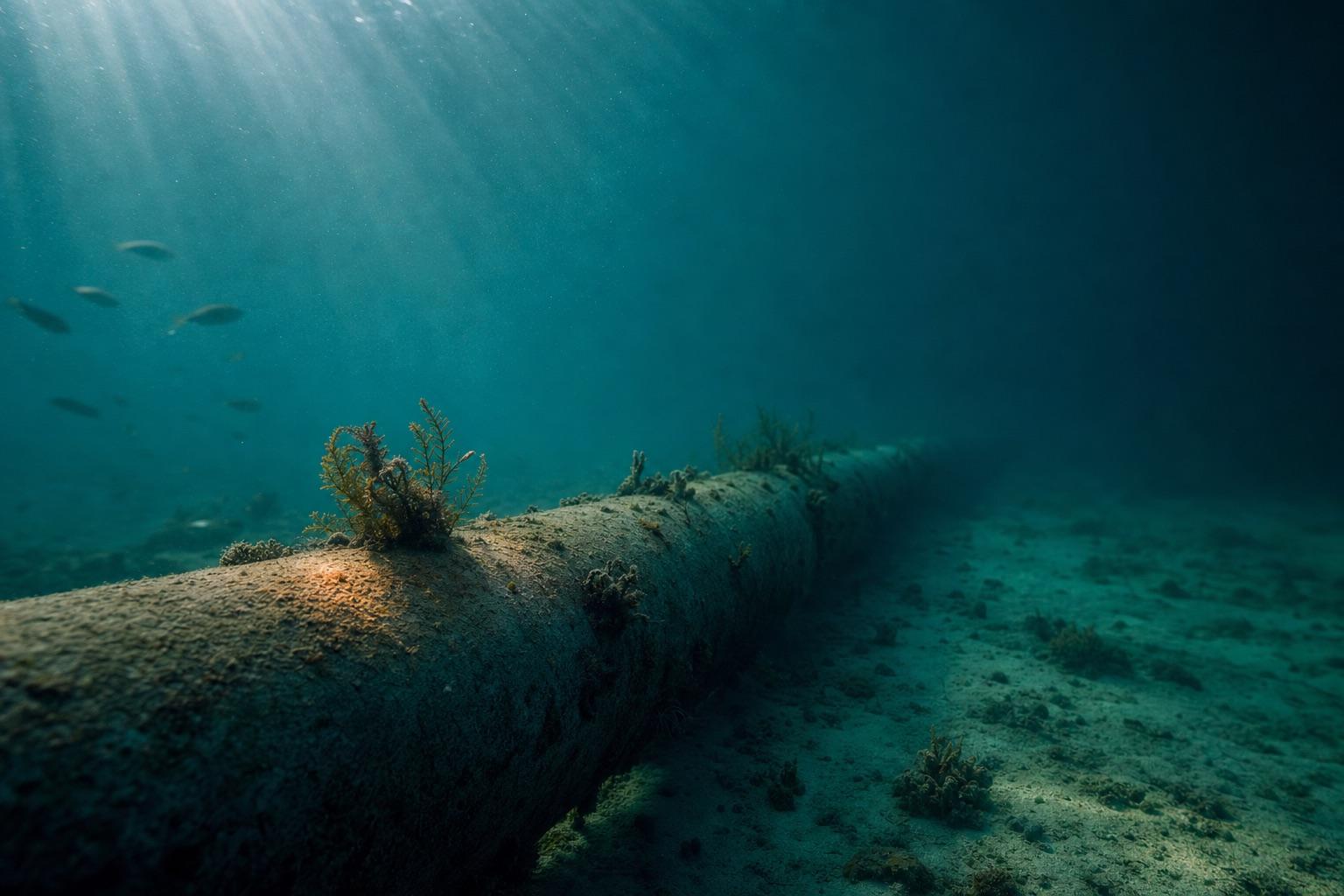
Inspection autonomy
Investigating how small uncrewed vehicles could handle routine visual and sonar passes over pipelines, piles and cables, so divers are kept for the work that needs them.
DIRECTION 03
A maritime data layer
One place where survey runs, inspection footage and conditions line up by location and date, so this year can be compared with last year in minutes.
DIRECTION 04
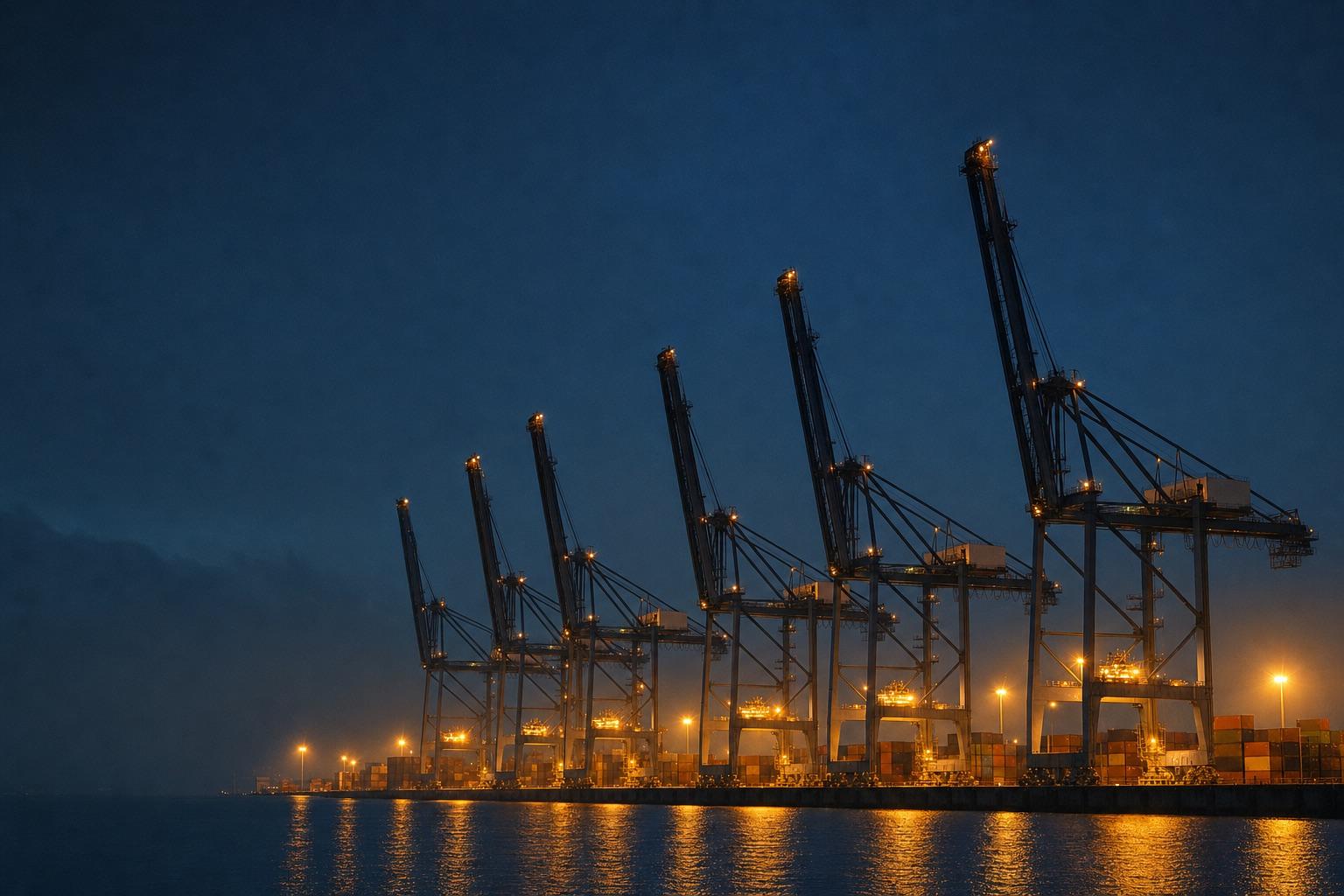
Port and anchorage conditions
Exploring how existing feeds and occasional robotic passes could give harbour teams a steadier picture of their own waters.
DIRECTION 05
Offshore asset watch
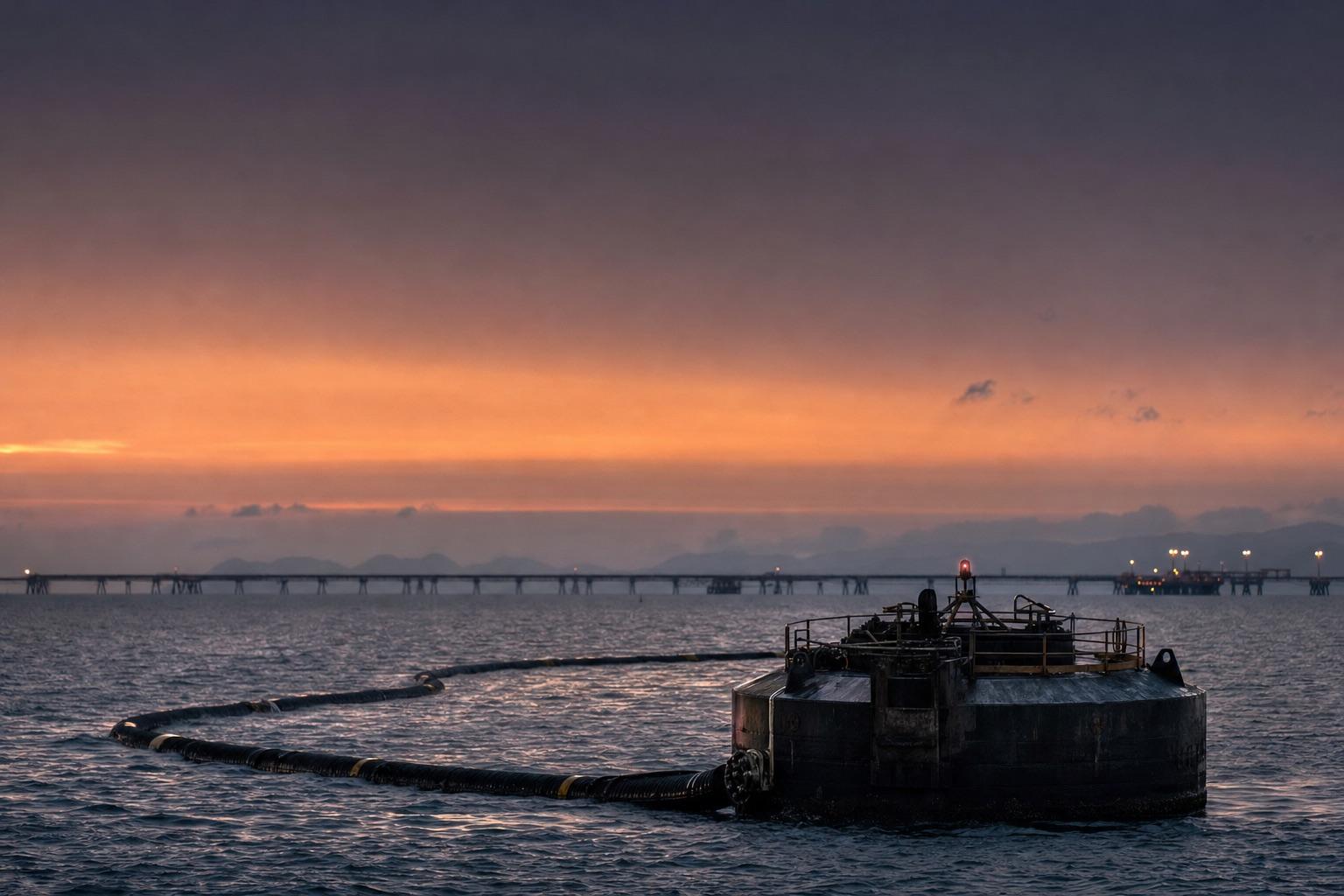
Studying what operators of jetties, moorings and terminals actually need to see between scheduled campaigns.
DIRECTION 06
Survey workflow software
Starting where the hours go: planning, processing and reporting. Software can help a survey crew long before any new hull does.
Every direction here is a hypothesis. If you operate one of these assets and think we have it wrong, we want to hear it first.
PRINCIPLES
How we work
Software before hull
THE CHEAPEST THING THAT TEACHES US SOMETHING
Most of the value in survey and inspection sits in planning, processing and reporting. We intend to start with software that helps the people already doing the work, and to build hardware only when the software proves where it should go.
Customer before factory
A REAL OPERATOR, A REAL ASSET, A REAL QUESTION
We will not build a fleet and then look for a use. One harbour team, one asset and one measurable question come first. Scale is earned after that.
Learn in public
FIELD NOTES, MISTAKES INCLUDED
We will publish what we learn: costs, interviews, dead ends. A thesis improves faster when the people who know the sea can see it and correct it.
Earn trust at sea
SAFETY, CONSENT AND THE PEOPLE ON THE WATER
Ports are shared, regulated, working places. We will follow their rules, work alongside mariners and hydrographers, and treat every hour on the water as something to be earned.
Field notes
Follow alongResearch essays we are writing in the open. None are published yet.
COMING SOON
Mapping every hydrographic survey notice in Malaysian waters
We are collecting the public notices of survey work in Malaysian waters to see where, how often and by whom the seabed is measured. A map of the gaps is the start of the thesis.
COMING SOON
Why autonomous boats are not the biggest opportunity
The boat is the visible part. We suspect the value sits in what happens to the data after it comes ashore.
COMING SOON
What a day of bathymetric survey actually costs
Vessel, crew, equipment, processing, reporting. We are trying to build an honest line by line estimate, and we will publish where we are unsure.
COMING SOON
What marine engineers are telling us
We are interviewing people who inspect and maintain marine infrastructure. This note will share what they said, including where they think we are wrong.
WHY THE NAME
Read the source (opens in a new tab)
Inspired by Limbuar, a lance in the Malay Annals.
In Leyden's translation of the Malay Annals (Sejarah Melayu), Bichitram Shah stands on Bukit Siguntang and presents his regalia: the sword Chora Sa Mendang Kian, the lance Limbuar, and the signet Cayu Gampit. He is then given the title Sang Sapurba. Limbuara is a name inspired by that lance.
We liked a name that is old and local. We kept it as a name only. It is not a claim about history.
Spellings follow John Leyden's English translation (1821), Section II, "Sang Sapurba". Other versions of the Malay Annals may spell these names differently. We do not know where the lance is today.
FOUNDER COUNCIL
Write to Harith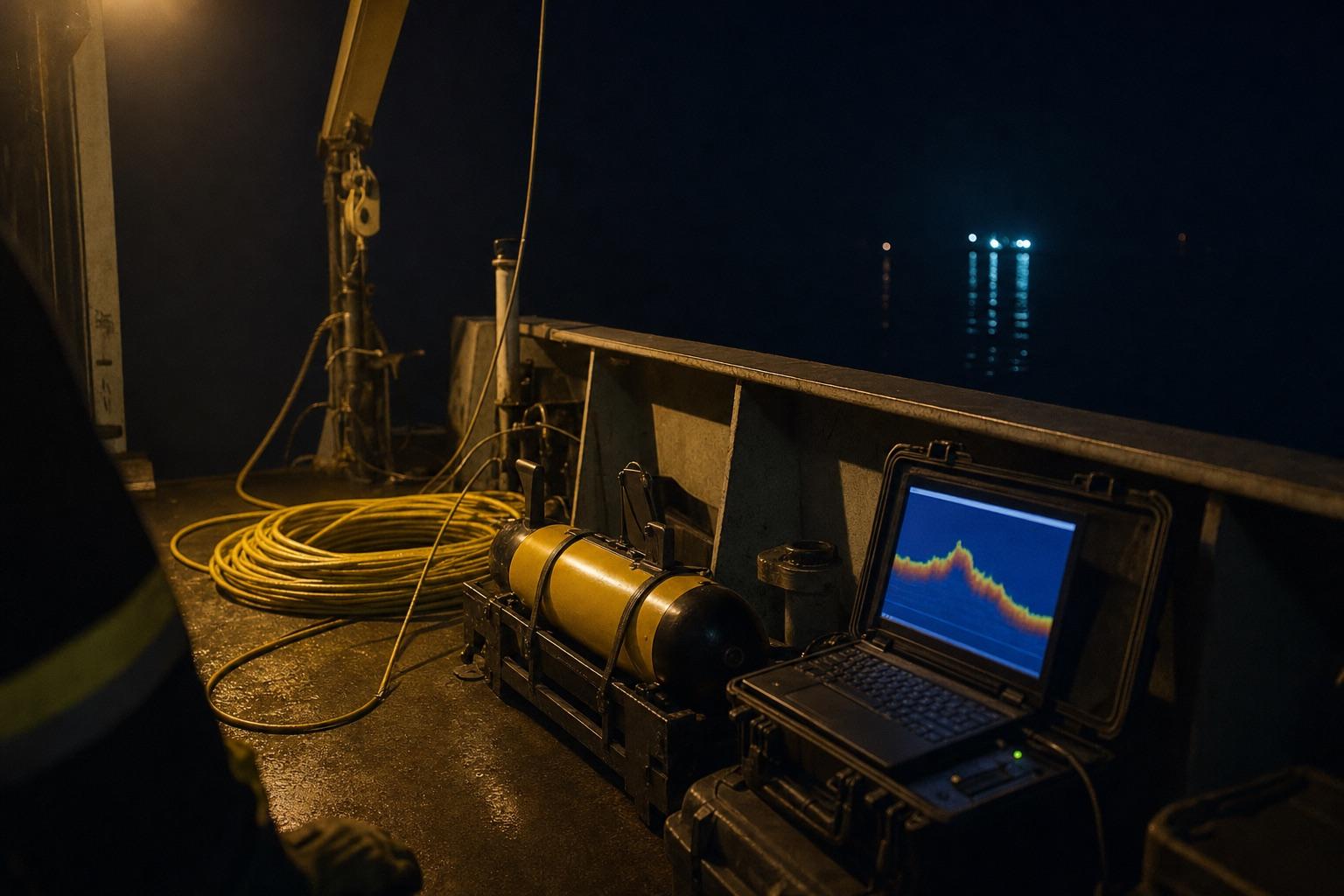
Help a thesis become a company.
Limbuara is not a company yet. Before it becomes one, Harith wants a small council of people who know the water better than he does: people who will test the thesis, point at the real problems and say plainly when an idea will not survive the sea.
- Hydrographer
- Marine robotics engineer
- Naval architect
- Subsea integrity engineer
- Harbour operations veteran
An hour of conversation is the whole commitment for now. No pitch, no paperwork.
Join the founder council